Starting out in the world of investments may seem like a challenge, but with the right knowledge of the various types of assets available, the path becomes much clearer.
This guide will present the main types of investments for beginners, highlighting their characteristics, benefits and risks.
Investing means investing financial resources with the aim of obtaining a return in the future.
Unlike savings, which only keep money, investments make capital work in your favor, increasing your assets over time.
When choosing an investment, it is important to consider three main factors:
A fixed income is one of the safest and most suitable options for beginners.
In this case, the investor knows in advance what the return will be, which can be linked to fixed rates, the CDI or inflation indices.
Ideal for conservative profiles or for those just starting to invest.
A variable income involves investments whose return cannot be predicted.
They depend on market performance and therefore offer greater risk in exchange for the possibility of higher returns.
Best suited to investors who are willing to take risks in search of higher returns.
The investment funds are a practical way of investing your money. In them, several investors become shareholders and the money is managed by professional managers.
Investing in real estate is a traditional and very popular practice in Brazil. Although it requires a high initial value, it can generate passive income through rentals and appreciation of the property over time.
Maximizing returns requires strategy and discipline. Some practical tips include:
Spread your resources across different types of assets. This reduces risks and protects your portfolio against unexpected losses.
Time is a great ally. Long-term investments allow compound interest to work in your favor.
Before applying, understand the risks involved and assess whether they are in line with your investor profile.
Build a portfolio that combines safe and risky investments, guaranteeing stability without sacrificing growth.
Each investor has a different profile, and understanding the differences between risky investments e safe investments is fundamental.
The ideal is to find a balance between the two types of investment, respecting your objectives and risk tolerance.
Investing may seem complex at first, but understanding the different types of investments is the first step towards achieving financial independence.
Fixed income guarantees security, variable income offers growth potential.
Before you start, analyze your objectives, your time horizon and your investor profile. If necessary, enlist the help of a financial advisor to put together your strategy.
Remember: Investing is a journey, and the sooner you start, the greater the long-term benefits will be.
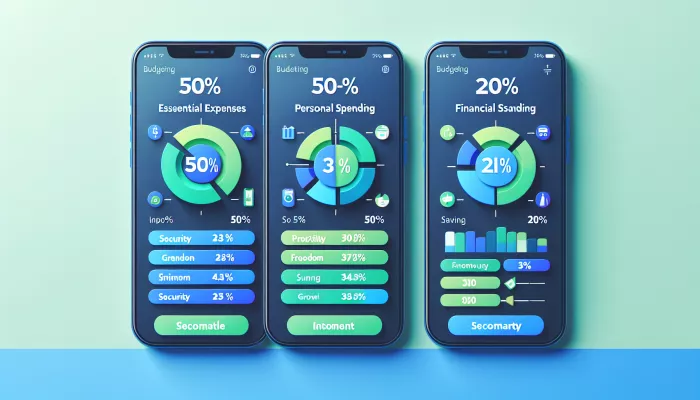
✅ Final tip: use financial tracking apps and digital investment platforms to monitor the performance of your portfolio and make safer decisions