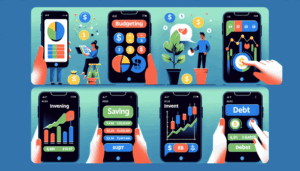
Managing your personal finances may seem like a complicated task at first glance.
However, with the right strategies and a little discipline, it is possible to turn this process into something natural, efficient and even enjoyable.
In this guide, you'll find practical tips, digital tools and smart approaches to saving money, avoiding debt and achieve a a healthy and balanced financial life.
💡 The Importance of Financial Control
First of all, it's essential to understand that financial control is the basis for any life goal - whether it's traveling, buying a property, changing careers or retiring early.
When you organize your money, you can make safer decisions, avoid stress and live more peacefully.
💸 Pay Yourself First: A Golden Rule
Among the most effective personal finance strategies, the rule of “pay first” is one of the most recommended by experts.
It consists of setting aside a portion of your income as soon as you receive your salary, even before you pay bills or make purchases.
How to put this into practice:
-
Set a percentage (e.g. 10%) of your salary for saving or investing.
-
Set up a automatic transfer to a separate account.
-
Avoid moving this money around, treat it as a “mandatory account”.
🔑 Benefit: This creates the habit of prioritize your financial goals and avoid spending what should be saved.
🚫 Avoid unnecessary debt
Although debt can be useful in specific cases, such as real estate financing or investment in education, the irresponsible use of credit is one of the biggest financial traps.
Strategies for avoiding debt:
-
Avoid impulse purchases, especially in installments.
-
Use your credit card responsibly and never pay only the minimum.
-
Plan large purchases in advance and assess whether they are really necessary.
⚠️ Remember: Debts with high interest rates, such as credit cards and overdrafts, are the main villains of your budget.
📊 Budget: The Foundation of Financial Organization
What's more, create and maintain a monthly budget is an indispensable step for anyone who wants total control over their finances.
How to put together an effective budget:
-
List all your recipes e fixed costs and variables.
-
Categorize your expenses: housing, food, transport, leisure, investments.
-
Establish spending limits for each category.
-
Review the budget every month to identify improvements.
🛠️ Recommended tools:
-
MintAllows you to connect bank accounts and cards, giving you a complete overview of your finances.
-
YNAB (You Need A Budget): Teaches how to plan the use of every penny, ideal for those who want to live within a budget.
📈 Include Investments in Your Planning
Saving is essential, but invest is what really makes the money grow. Even with little, you can start building a portfolio.
Tips for getting started:
-
Study the types of investmentsTesouro Direto, funds, shares, CDBs, among others.
-
Evaluate your investor profileconservative, moderate or bold.
-
Start small and build up as your confidence grows.
🔎 Useful tools:
-
RobinhoodSimple, no-fee platform for investing in shares.
-
Betterment: A robo-advisor that creates portfolios based on your objectives and risk tolerance.
-
Future Advisor: Provides personalized investment recommendations.
💡 Learning to Save: Practical Tips
To save efficiently, you need to develop financial self-awareness. Here are some strategies that work for thousands of people:
1. understand where you spend
First of all, record all your spending for at least 30 days. Use apps or spreadsheets to keep track of every penny. This helps identifying waste.
2. Set a budget with targets
In addition to listing expenses, create monthly targets, such as saving R$ 200 or cutting 20% from delivery spending.
3. Automate your savings
Schedule automatic transfers as soon as your salary is paid. This prevents you from spending the amount earmarked for savings.
4. Avoid impulse purchases
Think twice before you buy. Ask yourself: “Do I really need this now?” or “Can I wait until next month?”.
5. Use technology to your advantage
Applications such as Spendee, YNAB and digital banking of your bank help you control your spending and achieve goals efficiently.
📱 Technological Tools to Improve Your Finances
Today, technology can completely transform the way you handle money. There are solutions for budget control, investments and even personalized advice.
📱 Financial control apps
-
Mint: Centralizes accounts, cards and financial targets.
-
YNAB: Focuses on helping you give purpose to every penny you earn.
💹 Investment apps
-
Robinhood: For those who want to get started on the stock market with simplicity.
-
BettermentIdeal for beginner investors who prefer automated strategies.
🧠 Online financial advice
-
Personal Capital: Platform with visual resources and retirement planning.
-
LearnVest: Combines financial education with advisory services.
✅ Advantage: These tools are intuitive, many have free versions and can be accessed directly from your cell phone.
📚 Educate yourself financially
In addition to practice, knowledge is a determining factor in your financial success.
Recommended learning sources:
-
Books“Rich Dad, Poor Dad”, “The Secrets of the Millionaire Mind”, “The Richest Man in Babylon”.
-
PodcastsPrimoCast, NerdCash, Dinheirama.
-
Blogs and YouTube channelsNath Finanças, Me Poupe!, O Primo Rico.
👀 The more you learn, the more aware you become of the value of your money and how to use it strategically.
🎯 Set Clear Financial Goals
Having well-defined goals helps you stay focused and disciplined.
Examples of goals:
-
Join R$ 10 thousand in 12 months
-
Pay off all debts until the end of the year
-
Investing monthly 15% of rent
-
Create a emergency reserve until next semester
📝 Tip: Write down your goals, monitor progress on a monthly basis and celebrate every achievement.
🌱 Small Habits that Make a Big Difference
Simple changes can have a huge impact over time:
-
Take a lunchbox to work
-
Avoid paying interest on purchases in installments
-
Plan the use of your 13th salary or bonus
-
Negotiate discounts whenever possible
🔁 Consistency is more important than intensity. Small daily attitudes form the foundation of your financial freedom.
✅ Conclusion: Transform Your Financial Reality
Finally, improving your personal finances requires planning, discipline and intelligent use of technology.
With the right strategies, you can get out of trouble, start investing and live with much more peace of mind.
Remember: it's not about how much you earn, it's about how you use what you have.
📌 Start right now. Choose one of the strategies in this guide, implement it today, and watch the results roll in over the next few weeks. Your financial future starts with a conscious decision in the present.